Have you ever felt like you react very intensely in a relationship without understanding why? Do you have a hard time trusting others, are you afraid of abandonment, or, on the contrary, do you prefer to keep your distance to avoid suffering? If you recognize yourself in any of these situations, it’s possible that trauma and your attachment style have something to do with it.
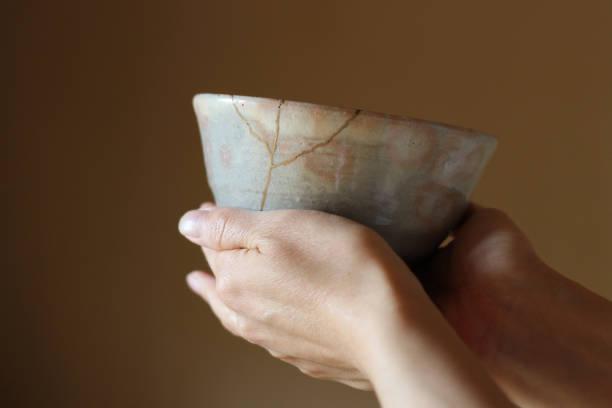
The good news is that these challenges don't define who you are, but rather reflect what you've been through. And, above all, they can change.
What is attachment?
Attachment is the emotional bond we develop with the people who care for us during childhood. Through those early relationships, we learn—without even realizing it—how the world works and what we can expect from others.
If, as children, we feel heard, protected, and supported, we are more likely to grow up feeling that we can trust other people and ask for help when we need it.
However, when our environment was unpredictable—marked by rejection, constant criticism, emotional neglect, or violence—our nervous system learned to protect itself as best it could.
Those strategies were useful at the time. The problem arises when we continue to use them years later, even when they are no longer necessary.
What do we mean by trauma?
Many people think that trauma only occurs after experiencing extreme events, such as a serious accident or a disaster. But trauma can also arise from repeated experiences that create a sense of insecurity or vulnerability.
Growing up feeling like your emotions don't matter, living in fear, having to take care of adults when you were a child, or not feeling consistently loved can also leave a deep mark.
In reality, trauma doesn't depend solely on what happened, but on the impact that experience had on you and the resources you had to cope with it.
How does trauma affect our relationships?
When a person has learned that love can be accompanied by pain, rejection, or abandonment, it is normal for adult relationships to stir up very intense emotions.
Some people need constant reassurance that they are loved and fear being abandoned. Others avoid getting too involved because they feel that depending on someone emotionally can cause them pain. There are also those who alternate between drawing closer and pulling away, longing for intimacy but feeling afraid when it arises.
These ways of relating to others are not personality flaws. They are defense mechanisms that the brain developed to ensure emotional survival.
The body remembers, too
Trauma doesn't just affect our thoughts. It also affects the nervous system.
That is why many people experience anxiety, difficulty relaxing, hypervigilance, a constant sense of danger, emotional blockages, or a constant need to control everything happening around them.
Sometimes physical symptoms such as muscle tension, digestive problems, fatigue, or difficulty sleeping may even appear.
It doesn't mean there's «something wrong» with you. It means your body has learned to stay on alert to protect you.
Can it be changed?
Yes.
One of the greatest advances in psychology in recent decades is the realization that the brain retains the ability to learn new ways of relating to others throughout one's entire life.
This doesn't mean erasing the past or forgetting what we've been through. It means that it's possible to build a sense of security that we may never have had before.
Therapy provides a space to understand the source of one's own reactions, better regulate emotions, and develop more secure relationships—both with others and with oneself.
Change is usually gradual. It often begins when we stop asking ourselves, «What’s wrong with me?» and start asking, «What happened to me that’s making me react this way today?».
Asking for help is also a way to take care of yourself
Many people come to therapy thinking they are too sensitive, that they always choose partners who hurt them, or that they have a problem because they can't maintain stable relationships.
However, behind that suffering there is often a story that deserves to be heard, not judged.
Understanding how trauma has influenced the way you form relationships doesn't mean living stuck in the past. It means understanding your history so you can stop repeating it.
Because what we learned to survive doesn't have to stay with us for the rest of our lives.
With the right support, it is possible to develop healthier relationships, feel greater emotional security, and live with less fear and more freedom.